.png)
Challenges in Smart Farming and How to Overcome Them
- hamdardkisancenter
- Sep 28, 2025
- 4 min read
Updated: Oct 7, 2025
Agriculture is undergoing an important transformation with the rise of smart farming technologies, including sensors, drones, AI, and IoT-based solutions. These tools help farmers to monitor soil health, optimize irrigation, and boost yields while reducing costs. However, despite its benefits, smart farming is not without challenges.
From high initial investment costs to limited digital literacy and infrastructure gaps, many farmers, especially smallholders, face barriers to embracing this agricultural revolution.
This article enlightens the key challenges in smart farming and offers practical solutions to overcome them, ensuring that technology benefits farmers of all scales.
What is Smart Farming?
Smart farming refers to the use of advanced technologies to manage farms more efficiently. It includes IoT sensors, drones, AI-driven analytics, GPS-enabled machinery, and data management tools. These technologies enable precision farming, where farmers can make data-driven decisions about planting, irrigation, fertilization, and harvesting.
Smart farming improves productivity while reducing input costs and supports sustainable agriculture. Yet, its effectiveness depends on how well challenges are addressed.
Major Challenges in Smart Farming
1. High Initial Investment Costs
Smart farming tools such as drones, IoT sensors, and automation systems can be expensive. For small-scale farmers, the upfront costs are often unaffordable.
Example: A drone for crop monitoring can cost thousands of dollars, while IoT devices for soil health monitoring require significant setup.
2. Lack of Digital Literacy
Many farmers in developing regions lack the technical skills required to use smart farming tools. Even if affordable devices are available, the absence of proper training prevents full adoption.
3. Limited Internet Connectivity
Smart farming relies heavily on internet-based platforms for data sharing and cloud-based analytics. In rural areas, internet connectivity remains weak or unreliable, limiting the use of real-time monitoring systems.
4. Data Privacy and Security Concerns
As farms generate huge amounts of data through sensors and apps, concerns about data ownership, privacy, and cyber-attacks arise. Farmers may hesitate to adopt technologies without a clear data protection framework.
5. Interoperability Issues
Different smart farming devices and platforms may not be compatible with each other. A farmer using multiple technologies often faces difficulty while integrating them into a single system.
6. Maintenance and Technical Support
Smart farming tools require regular maintenance, software updates, and occasional repair. Farmers in remote areas lack access to technical support.
7. Climate and Environmental Factors
While smart farming helps mitigate climate change conditions, technologies may fail under extreme weather. For example, drones cannot operate during storms, and solar-powered devices may struggle in areas with low sunlight.
8. Resistance to Change
Traditional farming practices have been passed down for generations. Some farmers resist adopting new technologies due to cultural reasons or fear of risks.
9. Unequal Access to Resources
Smart farming adoption often favors large-scale farmers who can afford advanced systems, leaving smallholders behind. This widens the digital divide in agriculture.
Practical Solutions to Overcome Smart Farming Challenges
1. Affordable and Scalable Technologies
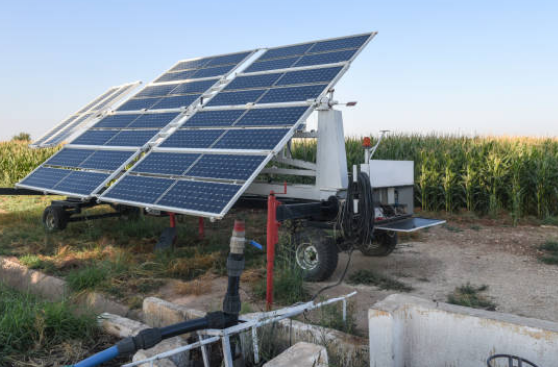
Governments and startups can develop low-cost versions of sensors and devices to make them accessible to small farmers. Community-based rental models for drones and machinery reduce costs through shared usage.
Example: Solar-powered irrigation pumps and low-cost IoT devices are helping small farmers adopt precision farming.

2. Farmer Training and Digital Literacy Programs
Agricultural extension services, NGOs, and governments should provide training programs that equip farmers with digital skills. Mobile apps with local-language support can simplify usage.
Example: FAO-supported projects provide workshops on smart farming tools tailored to rural communities.
3. Expanding Rural Internet Infrastructure
Investments in rural broadband and 5G networks can improve internet access for farmers. Satellite-based internet services may also be a solution for remote regions.
4. Strengthening Data Security Policies
Clear policies on data ownership and privacy can boost farmers’ trust in digital platforms. Companies should adopt transparent data management practices to protect farmer data.
5. Developing Interoperable Platforms
Technology providers must ensure devices and software are compatible across platforms. Open-source platforms and standards can help to integrate different tools into a single system.
6. Access to Technical Support
Local service centers, helplines, and mobile-based support systems can ensure farmers receive timely assistance. Partnerships with local cooperatives can also provide repair and maintenance services.
7. Building Climate-Resilient Technologies
Developers should design smart farming tools adapted to local climate conditions, such as waterproof sensors or hybrid-powered systems. Climate-smart agriculture must integrate technology with sustainability.
8. Encouraging Farmer Cooperatives
Farmer cooperatives help smallholders pool resources, access shared technologies, and negotiate market prices. Collective adoption reduces costs and increases impact.
9. Government Subsidies and Incentives
Governments can provide subsidies, tax relief, and financial incentives for smart farming adaptation. Public-private partnerships can also ensure wider access to technology.
Case Studies of Overcoming Challenges
Case Study 1: Kenya – Mobile Apps for Farmers
In Kenya, mobile apps provide weather forecasts, soil advice, and market information. Training programs ensured farmers could use these tools effectively, boosting yields.
Case Study 2: Brazil – Community Drone Services
Brazilian farmer cooperatives rent drones for crop monitoring and spraying. This shared model reduces costs while improving productivity.
Case Study 3: Netherlands – Interoperable Smart Systems
Dutch farms use integrated smart farming platforms that connect IoT devices, drones, and AI analytics, overcoming interoperability issues.
Benefits of Overcoming Challenges
When farmers successfully adopt smart farming, the benefits are significant:
Higher yields through precise crop management.
Reduced costs from efficient water and fertilizer use.
Sustainability is achieved by reducing waste and conserving resources.
Market competitiveness is achieved by aligning production with demand.
Improved resilience against climate variability.
Future of Smart Farming
As technology costs decline and governments expand digital infrastructure, the future of smart farming is bright. Artificial intelligence, blockchain, and robotics will further transform agriculture. To ensure inclusivity, the focus must remain on affordability, training, and infrastructure development.
Conclusion
Smart farming has the potential to revolutionize agriculture by increasing productivity, reducing costs, and ensuring food security. However, challenges such as high costs, lack of digital literacy, poor infrastructure, and data privacy issues remain barriers.
By adopting affordable technologies, training farmers, enhancing connectivity, ensuring interoperability, and promoting cooperative models, these challenges can be overcome. The future of farming lies in inclusivity, where small and large farmers alike benefit from technology.


Comments