.png)
How To Make Smart Farming Successful by Satellite Imaging
- hamdardkisancenter
- Oct 10, 2025
- 5 min read
Introduction: Smart Farming’s Next Big Leap
In the age of digital agriculture, Smart Farming has become more than a buzzword; it’s a necessity. As global food demand increases and resources shrink, farmers are turning to technology for solutions. Among the most powerful tools driving this revolution is satellite imaging.
Satellite imaging enables farmers to view their fields from space, analyze crop health, monitor soil moisture, and make informed decisions remotely. But how exactly can satellite imaging make Smart Farming successful? Let’s explore this groundbreaking integration that’s reshaping modern agriculture.
1. What Is Smart Farming?
Smart Farming refers to the use of advanced technologies, including IoT, AI, drones, sensors, and satellites, to optimize farming operations. It’s part of a broader concept known as Precision Agriculture, which focuses on applying the right treatment at the right place and right time.
Key technologies include:
Internet of Things (IoT) devices for data collection
Artificial Intelligence (AI) for predictive analytics
Drones for aerial surveillance
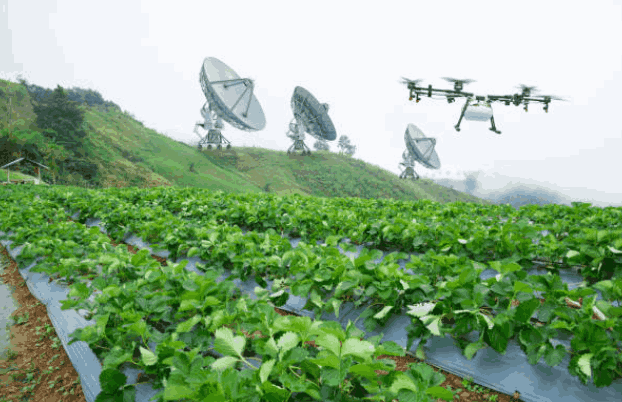
Satellite imaging for large-scale field analysis
The ultimate goal? To maximize yield, reduce waste, and promote sustainability in agriculture.
2. What Is Satellite Imaging and How Does It Work?
Satellite imaging, also known as remote sensing, involves capturing high-resolution images of the Earth’s surface through orbiting satellites. These satellites use sensors that detect light wavelengths, visible, infrared, and thermal, to collect information about crops and soil conditions.

Farmers receive this data through platforms that process satellite imagery into actionable insights, such as:
Crop health maps
Soil moisture levels
Vegetation indices (like NDVI)
Pest and disease risk zones
By interpreting these data layers, farmers can manage their resources efficiently and prevent crop failures before they occur.
3. Why Satellite Imaging Matters in Smart Farming
Smart Farming is all about precision and prediction, and that’s exactly where satellite imaging excels.
Here are a few reasons why it’s vital:
1. Large-Scale Coverage
Satellites can quickly monitor thousands of hectares at once. This is particularly beneficial for large farms or agricultural organizations that operate across vast areas.
2. Real-Time Monitoring
Modern satellites can deliver frequent data updates, sometimes as often as daily or weekly, allowing farmers to track crop changes in near real-time.
3. Historical Data Analysis
Satellite imagery archives provide data from past years, enabling farmers to analyze long-term trends and make better decisions about crop rotation or soil management.
4. Early Detection of Problems
Through NDVI and thermal imagery, satellites detect water stress, nutrient deficiencies, or pest damage before visible symptoms appear.
4. Key Applications of Satellite Imaging in Smart Farming
Let’s explore the main areas where satellite imaging transforms modern agriculture.
a. Crop Health Monitoring
Using vegetation indices like NDVI, satellite imagery identifies areas where crops are thriving or under stress. Farmers can then target those weak zones with additional irrigation or fertilizers.
b. Water Resource Management
Satellites measure soil moisture and evapotranspiration rates, supporting farmers to optimize irrigation schedules. In drought-prone regions, this is vital for saving both water and energy.
c. Soil and Nutrient Management
Different soil types reflect light differently. By analyzing these variations, farmers can assess nutrient distribution and implement data-driven fertilizer applications.
d. Pest and Disease Detection
Satellite-based thermal and spectral data can indicate crop stress patterns caused by diseases or pest attacks. Early detection prevents widespread damage.
e. Yield Prediction
Satellite imaging integrates vegetation growth data and weather data to produce accurate crop yield forecasts, which are mandatory for effective sales and storage planning .
f. Land Use and Field Mapping
GIS (Geographic Information System) data derived from satellites assists in mapping field boundaries, analyzing topography, and planning efficient planting strategies.
5. How Satellite Imaging Supports Sustainable Agriculture
Sustainability is at the heart of Smart Farming. Satellite imaging helps achieve this by:
1. Reducing Chemical Overuse
Targeted spraying and fertilization reduce chemical runoff, preserving soil and water quality.
2. Saving Energy
By optimizing irrigation and machinery movement, energy consumption is significantly decreased.
3. Enhancing Profitability
Efficient input management means reduced costs and higher profit margins for farmers.
4. Protecting Natural Resources
Monitoring land use helps prevent deforestation, overgrazing, and soil erosion, ensuring long-term ecological balance.
6. Real-Life Success Stories
Case Study 1: European Space Agency (ESA) & Smart Agriculture
ESA’s Sentinel satellites provide free, high-resolution images that help farmers across Europe monitor crop health and plan fertilization schedules. This initiative resulted in a 15% increase in yields and a 20% reduction in fertilizer usage.
Case Study 2: Indian Precision Agriculture Program
In India, the government and ISRO collaborate with agricultural institutes to provide satellite-based advisories to farmers. This has improved decision-making, particularly in rain-fed areas where water scarcity is a critical issue.
Case Study 3: John Deere & Planet Labs Partnership
John Deere integrates satellite data from Planet Labs into its farm management systems, enabling users to get daily crop insights and make precision-based field decisions.
7. Challenges of Implementing Satellite Imaging in Smart Farming
While the technology is transformative, several challenges exist:
1. High Initial Cost
Accessing high-resolution satellite data and analysis platforms can be expensive for small-scale farmers.
2. Connectivity Issues
Reliable internet connectivity is essential for data transmission, especially in rural or remote areas.
3. Lack of Technical Knowledge
Many farmers lack training in reading and interpreting satellite data, leading to underutilization.
4. Weather Dependency
Cloud cover poses a challenge for traditional optical satellites, but radar-based satellites effectively overcome this issue.
5. Data Privacy Concerns
Farm-level data collection raises concerns about data ownership and privacy, topics still under discussion globally.
8. Overcoming the Challenges: Practical Solutions
Here’s how governments, agritech companies, and farmers can overcome these challenges:
Government Subsidies: Support small-scale farmers by subsidizing satellite imagery and analytics services.
Training Programs: Conduct workshops to teach farmers how to interpret and apply satellite-based data.
Public-Private Partnerships: Encourage collaboration between space agencies, tech firms, and local agriculture departments.
Cloud-Free Imaging: Use radar-based satellites (like Sentinel-1) that work in all weather conditions.
Data Security Frameworks: Implement strict data protection regulations to ensure privacy and trust.
9. The Future of Smart Farming with Satellite Imaging
The next decade will witness the integration of AI, IoT, and satellite imaging at unprecedented levels. Here’s what’s coming:

AI-driven analytics for automatic crop classification.
Real-time satellite dashboards integrated with IoT soil sensors.
Blockchain-powered traceability for farm-to-fork transparency.
5G-based data transfer for instant decision-making.
The fusion of these technologies will turn farming into an intelligent, automated, and sustainable industry.
10. How Farmers Can Start Using Satellite Imaging Today
If you’re a farmer or an agripreneur looking to adopt Smart Farming, here’s a simple roadmap:
Start Small: Use free tools like Sentinel Hub EO Browser or Google Earth Engine.
Choose a Platform: Subscribe to commercial tools such as Planet Labs, EOS Crop Monitoring, or Agremo.
Integrate IoT Sensors: Combine satellite data with ground-based sensors for complete field visibility.
Analyze & Act: Regularly analyze satellite reports to guide irrigation, fertilization, and harvesting schedules.
Track ROI: Measure improvements in yield, cost reduction, and sustainability metrics over time.
Conclusion: The Sky Is the Limit for Smart Farming
Satellite imaging is the silent hero behind the Smart Farming revolution. By offering real-time, data-driven insights, it enables farmers to make precise decisions that increase productivity, conserve resources, and promote sustainability.
As we move toward a future where technology and agriculture work hand in hand, satellites will continue to play a vital role in ensuring global food security and environmental protection.
Embracing Smart Farming with satellite imaging is not just about modernization—it’s about creating a sustainable future for generations to come.


Comments