.png)
Smart Farming: The Best Way To Reduce Environmental Impact
- hamdardkisancenter
- Oct 15, 2025
- 4 min read
Introduction: Farming That Cares for the Planet
The world’s population is growing fast, and so is the demand for food. But traditional farming practices, overuse of fertilizers, inefficient irrigation, and soil depletion have taken a heavy toll on our environment.
Smart Farming is changing this story. By combining modern technology, data analytics, and automation, farmers are now able to grow more with less water, less land, and less waste.
Smart farming is more than innovation; it’s a sustainable revolution helping us fight climate change and protect the Earth for future generations.
What Is Smart Farming?
Smart Farming (also called Precision Agriculture) is an approach that uses digital technologies such as IoT, sensors, AI, GPS, and drones to monitor and manage farms efficiently.
Through real-time data, farmers can make accurate decisions about when to water, how much fertilizer to use, and where to plant crops for the best yield.
This digital transformation not only increases productivity but also reduces the environmental footprint of farming.
(According to ScienceDirect, precision agriculture plays a key role in sustainable food production.)
How Smart Farming Reduces Environmental Impact
1. Precision Irrigation Saves Water
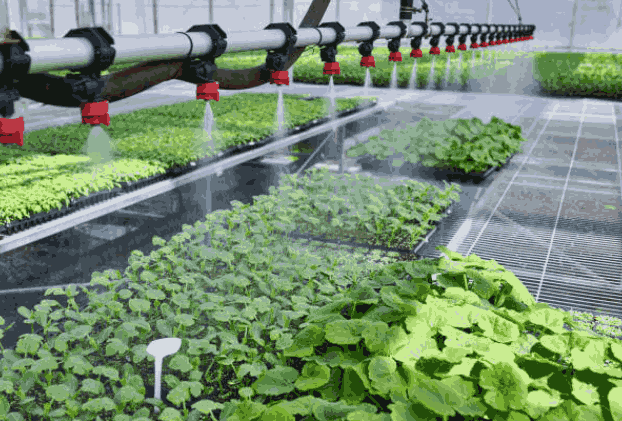
Water scarcity represents a major challenge to modern agriculture. Smart irrigation systems utilize soil moisture sensors and weather data to deliver just the right amount of water when needed.
This avoids overwatering, reduces waste, and preserves groundwater.
2. Reducing Chemical Use Through Smart Spraying

Traditional farming practices, which often rely on heavy pesticide application, harm both soil and biodiversity. Smart sprayers with AI and camera-guided systems apply pesticides only where needed, minimizing chemical exposure and protecting beneficial insects.
This leads to healthier soil and cleaner water sources.
(See UNEP’s report on how reducing pesticides protects the environment.)
3. Optimizing Fertilizer Application
While over-fertilization leads to soil degradation and greenhouse gas emissions, smart farming tools analyze soil composition to determine the exact nutrient requirements of crops, applying fertilizers precisely where needed.
This prevents nitrogen runoff and reduces the carbon footprint of agriculture.
(Check the International Fertilizer Association for data on sustainable nutrient management.)
4. Drones for Eco-Friendly Monitoring
Drones assess crop health, soil moisture, and pest infestations, without manual checks.
They help farmers detect problems early, saving resources and reducing unnecessary field treatments.
🔗 Related Post: Drones in Agriculture: Best Uses, Benefits, and Costs
5. Renewable Energy Integration
Smart farms are now integrating solar panels and wind turbines to power irrigation systems and machinery. This shift towards renewable energy drastically reduces greenhouse gas emissions, helping to achieve carbon-neutral farming.
Smart Data = Smart Decisions
Smart farming is driven by data analytics. Farmers use cloud-based software to collect and analyze real-time data about soil, weather, and crop growth.
This enables predictive farming, where decisions are made proactively, rather than reactively.
Data-driven farming means:
Reduced waste
Efficient resource use
Sustainable production
Smart Farming Technologies That Promote Sustainability
Technology | Function | Environmental Benefit |
IoT Sensors | Monitor soil & weather. | Prevent overuse of water & fertilizers. |
Drones | Crop health monitoring | Reduce field damage |
GPS & GIS | Precision planting | Minimize soil erosion |
AI & ML Models | Predict yields | Optimize resource planning |
Automation & Robotics | Smart harvesting | Lower fuel & labor waste |
Each innovation helps farmers grow more while protecting ecosystems and reducing the overall impact on the planet.
(According to FAO’s digital agriculture initiative, these technologies drive sustainability worldwide.)
The Link Between Smart Farming and Climate Change
Agriculture accounts for around 25% of global greenhouse gas emissions. However, smart farming practices can reverse this trend.
By improving soil management, minimizing fuel use, and adopting renewable energy, smart farms maximize climate resilience and even carbon neutrality.
These practices also boost crop resilience, enabling farmers to withstand extreme weather caused by climate change.
Smart Farming Success Stories
India: Farmers using precision irrigation in Maharashtra have reduced water use by 40%.
Pakistan: Pilot smart farms using soil sensors in Punjab reported 25% higher yields with 30% less fertilizer.
Netherlands: Vertical farms powered by AI and LED lighting have cut carbon emissions by 70%.
These real-world examples prove that smart farming is not just a concept — it’s a proven path to sustainability.
(Read about global case studies at World Economic Forum Agriculture Reports.)
Challenges in Adopting Smart Farming
While the benefits are clear, several challenges remain:
High initial investment in technology
Limited digital literacy among farmers
Poor internet access in rural areas
Resistance to change in traditional farming communities
But governments, startups, and NGOs are working to bridge this gap by offering training, financing, and awareness programs.
The Future of Eco-Friendly Agriculture

The future of smart farming lies in AI-driven prediction models, blockchain traceability, and autonomous tractors. With these innovations, the agriculture sector is on the verge of achieving zero-waste, carbon-neutral farming.
Soon, smart farming won’t just be an option; it’ll be a global necessity for survival and food security.
Final Thoughts: Smart Farming = Smart Planet
Smart farming represents the perfect balance between technology and nature. It empowers farmers to produce more food sustainably, reduce environmental impact, and preserve the Earth for future generations.
By adopting smart farming practices today, we ensure a greener tomorrow, where agriculture becomes part of the environmental solution, not the problem.
🌱 Join the movement toward a smarter, greener, and cleaner farming future!


Comments